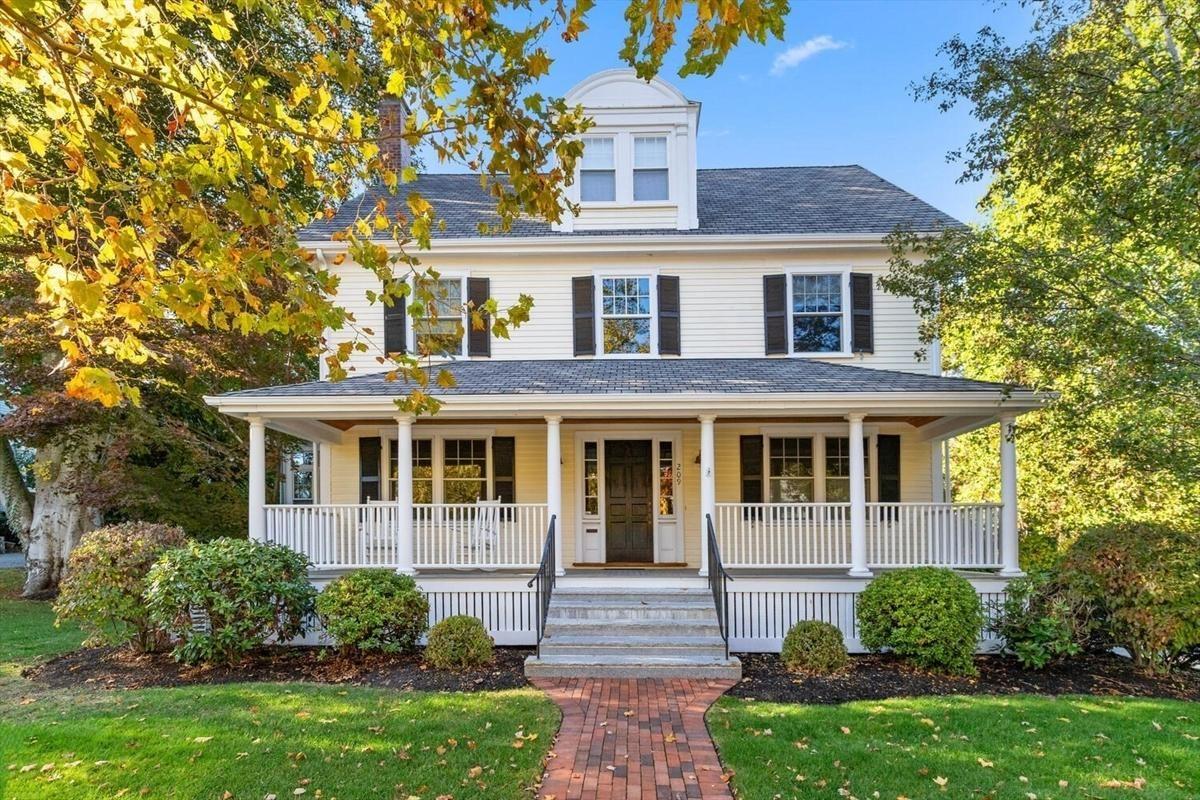
We help prepared buyers find and buy the right home at a fair market price. When you find that home, your offer is how you show the seller you're ready. A seller compares offers side by side, and the ones that get accepted share four things.
1. Clear terms
The offer should leave nothing for the seller to guess. It spells out:
- Who is buying: every buyer's full legal name
- What you're offering: the purchase price and how you'll pay it
- Performance dates: when the deposit is due, the inspection period, the mortgage commitment date, and the closing date
- Contingencies: inspection, financing, appraisal, or the sale of your current home, each with its own deadline
Vague terms invite counteroffers and delays. Clear ones make your offer easy to compare and easy to accept.
2. Proof you can pay
A seller needs to know you can actually close. Back your offer with one of these:
- Paying cash: a recent bank or brokerage statement, or a letter from your bank, showing the funds are available
- Using a mortgage: a pre-approval letter from your lender
Many buyers include both: a pre-approval for the loan and proof of funds for the down payment and closing costs.
Pre-approval, not pre-qualification
A pre-qualification is a quick estimate. A pre-approval means a lender has reviewed your income, assets and credit. Sellers expect the pre-approval.
3. Earnest money
A serious offer includes a deposit, often called earnest money. It shows the seller you're committed.
If you back out without a valid reason under the contract, the seller can typically keep the deposit. If you cancel within one of your contingencies, for example the inspection turns up a problem or your mortgage is denied, the deposit is generally returned to you. Your contract spells out exactly when each applies, so read that part closely.
4. In writing and signed
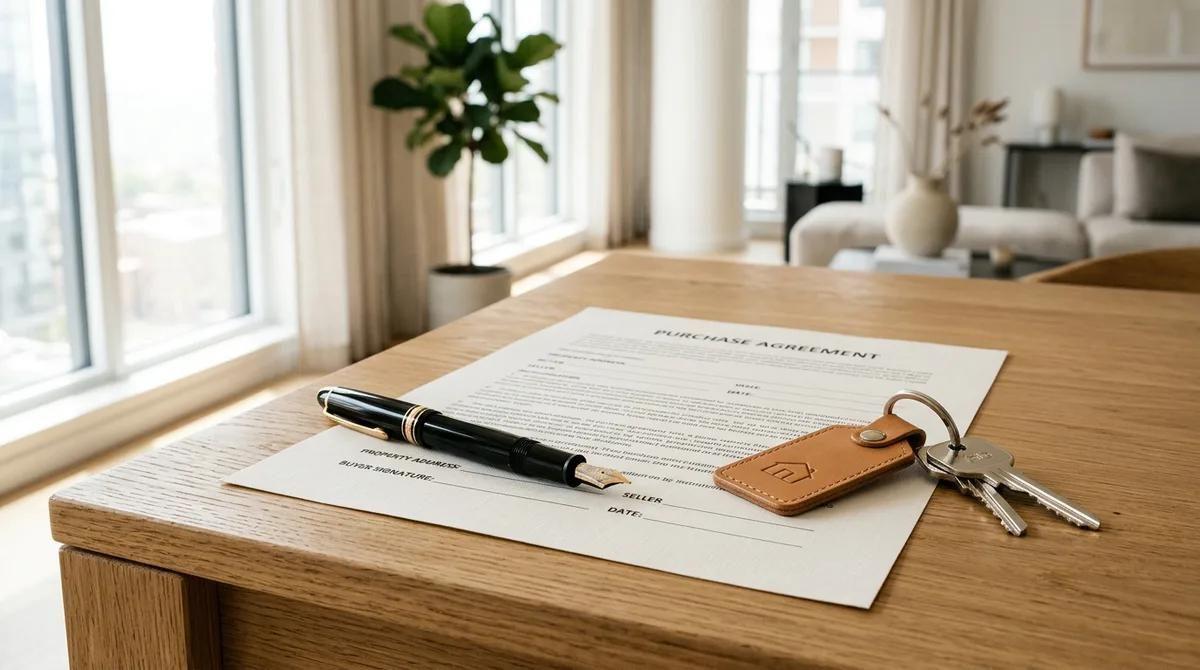
An offer has to be a written purchase offer signed by every buyer. A text, a phone call, or a casual email naming a price isn't something a seller can rely on, and no seller will take their home off the market for one.
Put it in writing, sign it, set a deadline for the seller's response, and attach your pre-approval or proof of funds.
Before you submit an offer
- Every buyer is named and has signed
- Price, deposit amount and closing date are filled in
- Each contingency is listed with a deadline
- Your pre-approval letter or proof of funds is attached
- A response deadline is included
A strong offer starts long before you find the house: financing confirmed, funds ready, and a clear sense of your budget. The readiness check shows where you stand and what to line up first.
Paiva Realty Group
The Perrino Team · Rhode Island Real Estate